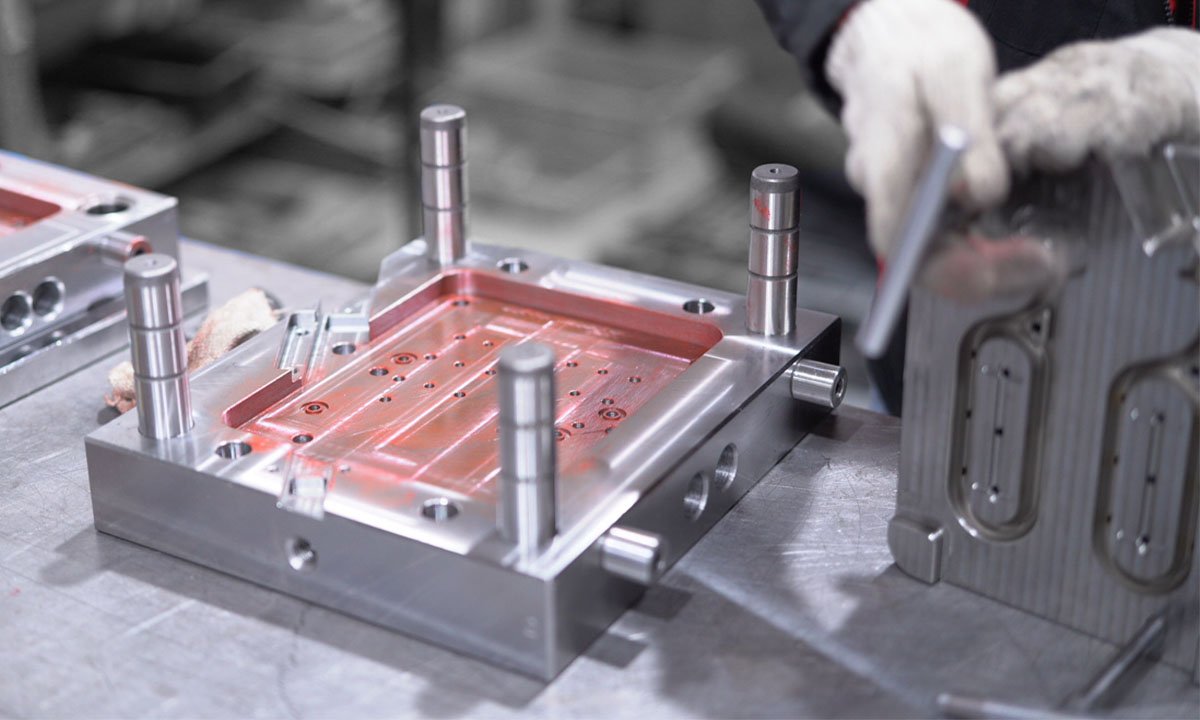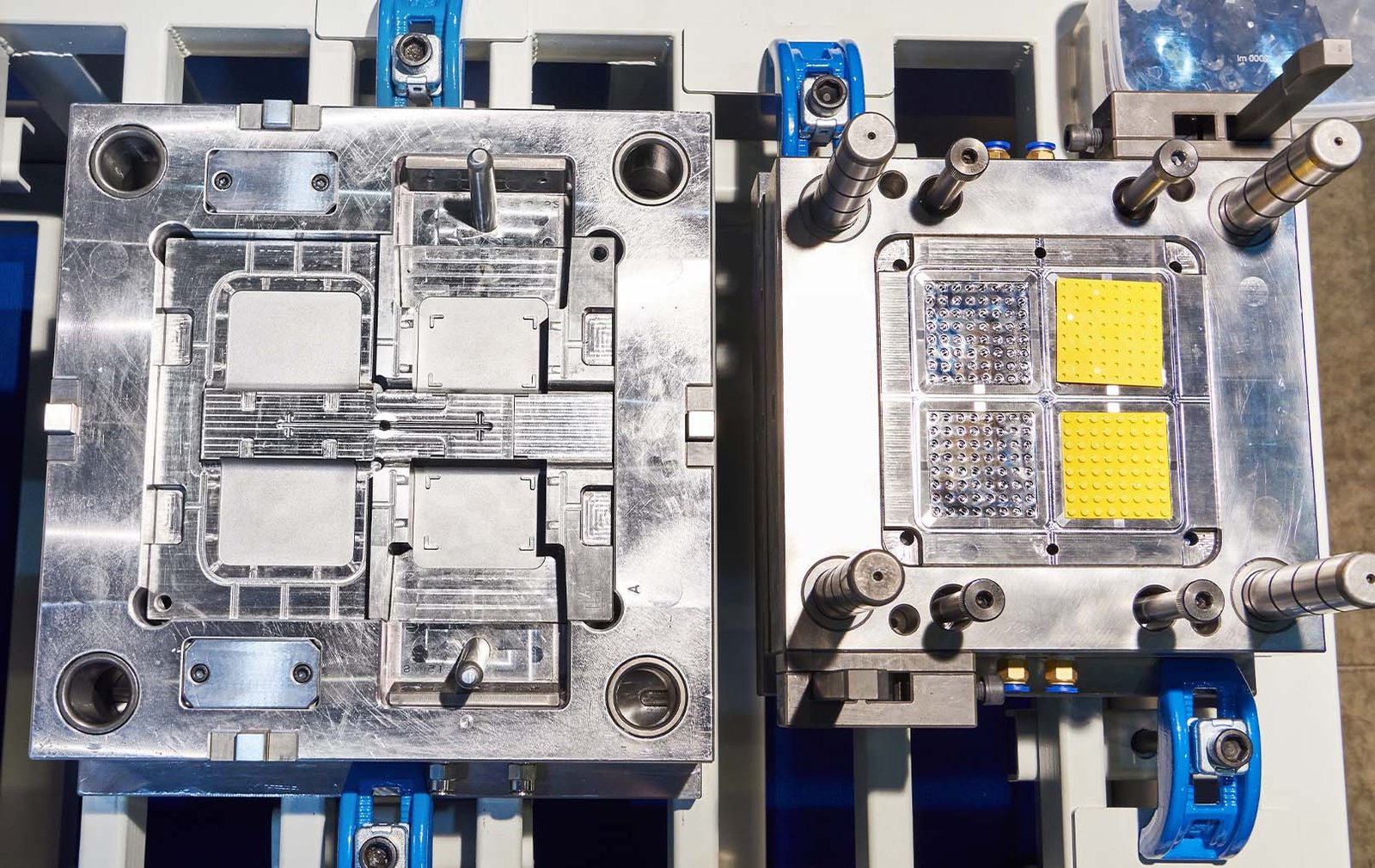

A plastic injection mould is a precision-engineered tool used in the manufacturing process of plastic components. It is designed to shape molten plastic into specific forms by injecting material into a mould cavity, where it cools and solidifies into the final product. Injection moulds are widely used across industries such as automotive, electronics, packaging, medical, and consumer goods due to their efficiency and accuracy.
The working process of a plastic injection mould begins with feeding plastic material, usually in the form of granules, into an injection moulding machine. The material is then heated until it melts into a liquid state. This molten plastic is injected under high pressure into the mould cavity, which is precisely designed according to the required product shape.
Once inside the cavity, the plastic is allowed to cool and solidify. Cooling channels within the mould help regulate temperature and ensure uniform solidification. After the material has set, the mould opens, and the finished component is ejected using an ejection system.
This process is highly efficient and allows for mass production of identical parts with excellent precision and consistency. Plastic injection moulds are essential for producing complex shapes, maintaining tight tolerances, and achieving high-quality surface finishes in modern manufacturing.